
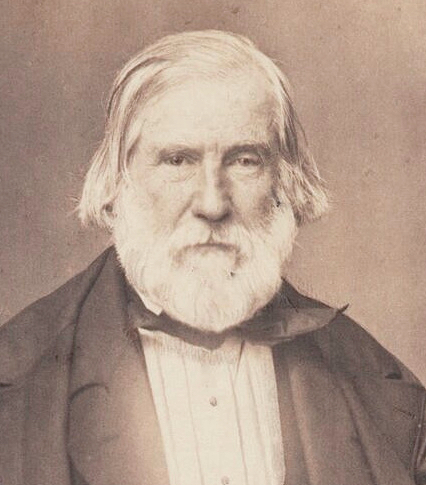
FRANCIS DANBY, 1793-1861
Francis Danby was an Irish painter and leading interpreter of British Romanticism. He is known for his visionary landscapes, great dramatic compositions and biblical, historical and apocalyptic themes.
Initially trained in Ireland, Danby’s landscapes are influenced by the Romanticism and especially by artists such as J.M.W. Turner. His complex relationship with Turner combined both admiration and rivalry. His early works are characterised by lyrical atmospheres and a sensitive use of light, but he soon shifted his focus to a more ambitious and theatrical style.
Success came in the 1820s, when he exhibited large canvases of epic and symbolic subjects at the Royal Academy. His works are distinguished by stormy skies, accentuated light contrasts and grandiose scenes in which nature becomes a metaphor for moral and spiritual forces. Danby uses landscape as a narrative tool, capable of evoking the sublime, the fragility of human experience and terror.
Despite initial recognition, his career had difficult moments, often caused by disagreements with London’s academic milieu. In the following years he gradually withdrew from the public life, devoting himself to a more intimate and experimental output and focusing his studies on atmospheric and light effects.
Francis Danby’s work represents an important chapter in 19th romantic painting, where nature becomes the stage for inner visions and spiritual tension.