THOMAS CHIPPENDALE, THE YOUNGER, 1749 – 1822
Thomas Chippendale the Younger, was an English cabinetmaker and designer who played a key role in the transformation of British furniture between the eighteenth and nineteenth centuries. He transformed furniture-making in his father’s already famous workshop by developing a neoclassical style.
Growing up in the family workshop, and receiving practical and design training of the highest level, Thomas ensured both reputation and excellence continued after his father’s death in 1779. He took over as manager of the company, and continued the business under the name Chippendale, Haig & Co.
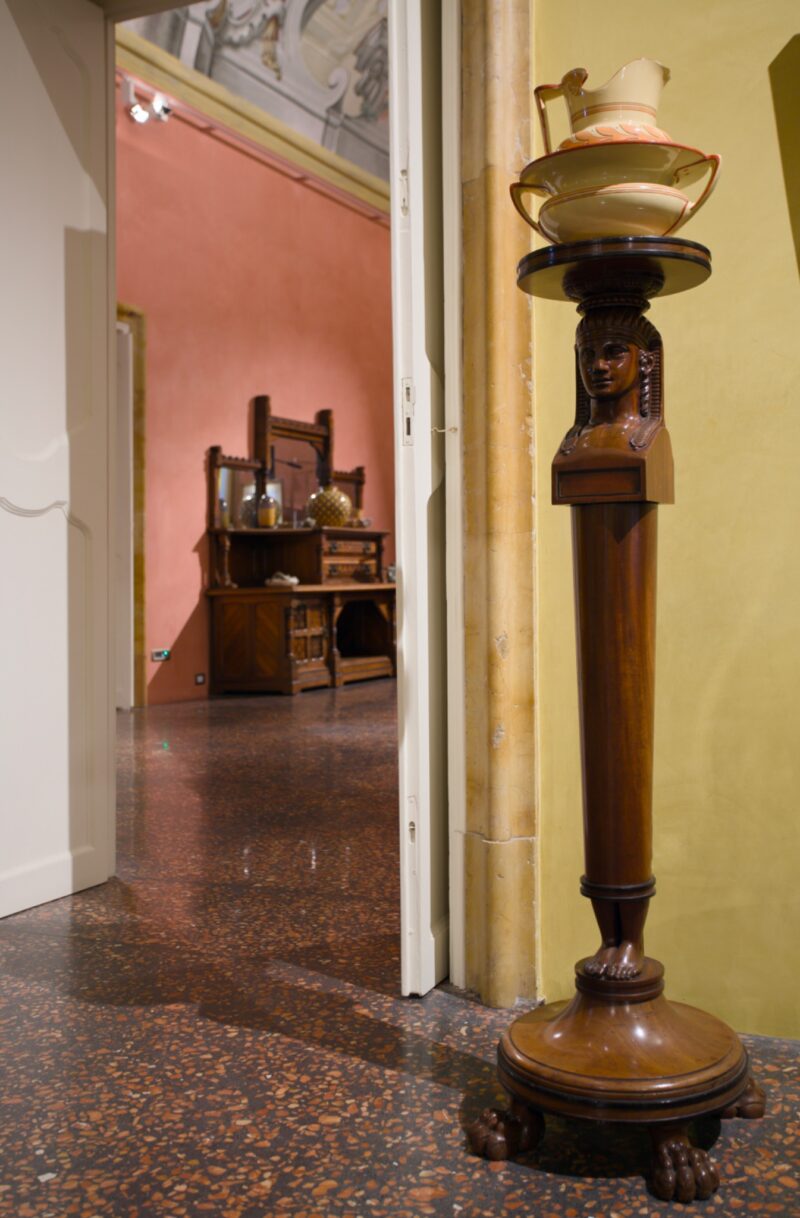
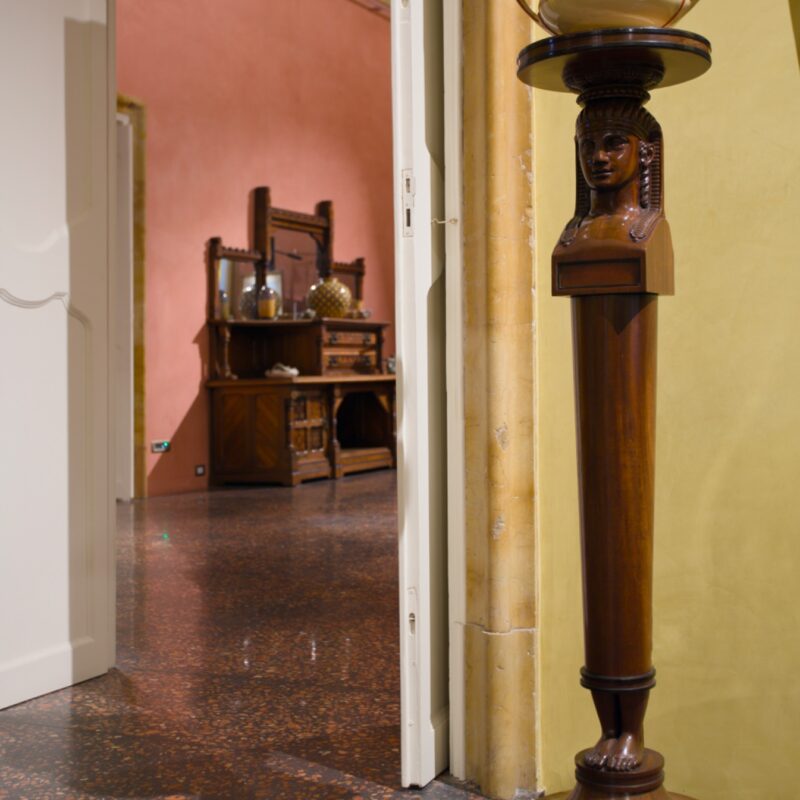
Unlike his father, who practiced a decorative synthesis of Rococo, Gothic and Chinese influences, Chippendale the Younger turned towards a neoclassical idiom inspired by ancient Greece and Rome and by the new European trends advanced by architects such as Robert Adam. His works are distinguished by sober lines, rigorous proportions, polished surfaces and measured decoration, often based on classical motifs such as acanthuses, urns and columns.
Among the most important commissions of his career are the large aristocratic houses, including Harewood House which is considered one of the greatest examples of English neoclassical interior design. In these examples, Chippendale the Younger demonstrates a remarkable ability to create a dialogue between architecture, furniture and decoration, conceiving interiors as harmonious and coherent wholes.
Thomas Chippendale the Younger represents a generational transition from an eighteenth-century decorative vision to a more disciplined and modern idiom, contributing decisively to the establishment of neoclassicism in English cabinetmaking. His work also consolidated the prestige of the Chippendale name, ensuring continuity and renewal for one of the most important dynasties in the history of design.