WALTER CRANE,1845-1915
Walter Crane was an English artist, illustrator, designer and theorist. His famous illustrated books of fairy tales and nursery rhymes were to be found in most 19th and 20th century nursery bookshelves.
Trained as an engraver and illustrator, Crane started in publishing at a very young age. His immediately recognizable style is characterized by elegant lines, simple colours, balanced compositions and a strong decorative flair. His illustrations for children’s books brought him fame, with the series on fairy tales, nursery rhymes and folk tales being a particular favourite. In these he combines narrative simplicity with formal refinement.
Alongside his publishing interests, Walter Crane is a central figure in the Arts & Crafts movement. He advocated the idea of an accessible, educational art deeply linked to quality craftsmanship. For him, illustration is not a minor art, but a cultural tool capable of forming taste and aesthetic sensitivity from childhood. This vision also led him to work in the field of applied arts, creating designs for fabrics, ceramics, stained glass, wallpapers and decorative objects.
His artistic production combines symbolism, decoration and social consciousness, with a strong focus on moral, educational and political motifs. Crane is a committed intellectual with socialist sympathies and a conviction that art has a role in improving social outcomes and is not just a purview for elites.
Walter Crane is now considered one of the fathers of modern illustration. His work transformed children’s books into complete artistic objects, combining text, image and decoration into a coherent and innovative visual language, and leaving a lasting legacy in graphics, design and contemporary visual culture.
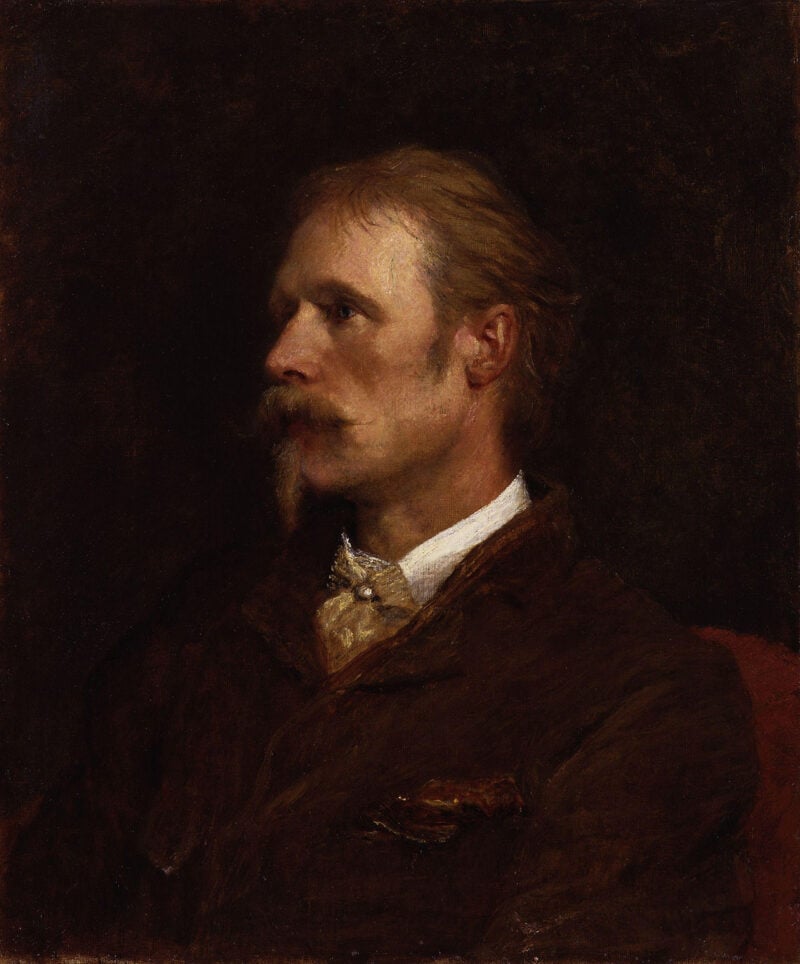
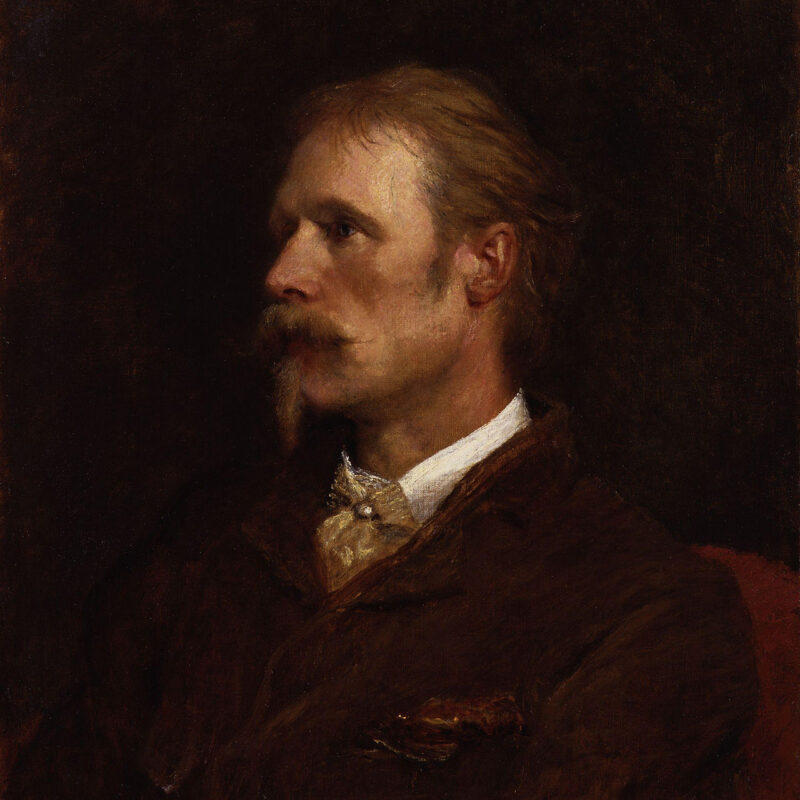
George Frederic Watts, portrait of Walter Crane, 1891, National Portrait Gallery, London.